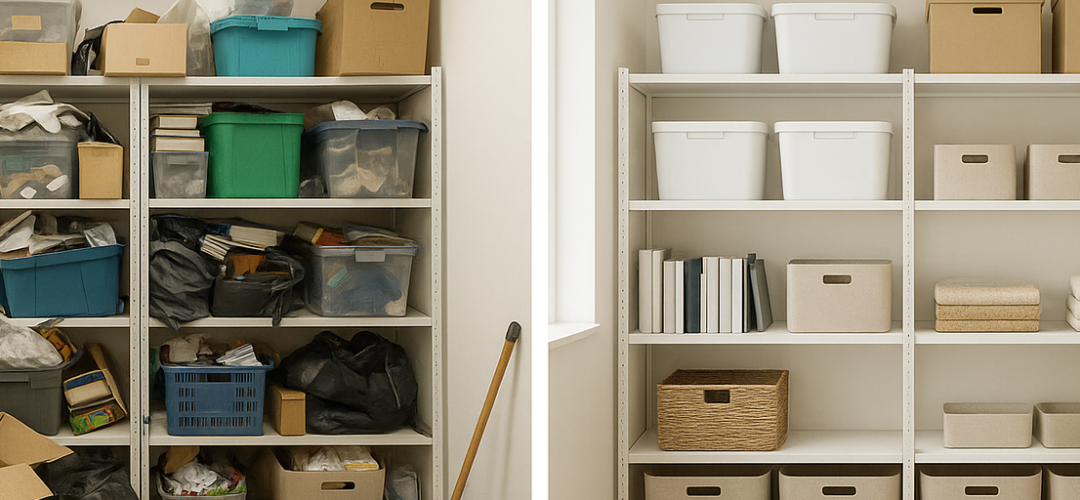
If you’re dealing with hoarding issues in Coldstream, understanding the clearance process can be overwhelming. This FAQ guide answers common questions to help you navigate the journey towards a clean and organised space.
1. What is hoarding clearance?
Hoarding clearance refers to the process of removing excessive items from a property to restore it to a safe and liveable condition. This often involves sorting, organising, and disposing of belongings that may have accumulated over time.
2. Why should I consider professional hoarding clearance services?
Professional services offer expertise, equipment, and support that can make the clearance process smoother and less stressful. They understand the sensitivities involved and can handle items with care, ensuring that the job is done efficiently.
3. How do I know if I need hoarding clearance?
If you or someone you know is struggling with excessive clutter that impacts daily living, health, or safety, it may be time to consider hoarding clearance. Signs include difficulty moving around the home, embarrassment about the state of the property, or health concerns.
4. What are the steps involved in hoarding clearance?
Hoarding clearance typically involves an initial assessment, sorting through items, identifying what to keep, donate, or dispose of, and then executing the clearance. A professional team can assist with each step to ensure it’s handled sensitively.
5. Can I do a hoarding clearance myself?
While it’s possible to clear hoarding situations on your own, it can be emotionally and physically challenging. Professional services are recommended for large or complex clearances to ensure safety and efficiency.
6. How long does a hoarding clearance take?
The duration of a hoarding clearance varies based on the volume of items and the complexity of the situation. A small clearance might take a few hours, while more extensive clearances could take several days.
7. What happens to the items removed during clearance?
Items are typically sorted into categories: those to keep, donate, recycle, or dispose of. Many professionals aim to donate or recycle as much as possible, reducing landfill waste.
8. Are there any legal considerations for hoarding clearance?
Yes, it is important to consider the legal ownership of items and any potential liabilities. Professional clearance services are familiar with these issues and can guide you appropriately.
9. How can I prepare for a hoarding clearance?
Preparing for clearance involves gathering important documents, setting aside any items you want to keep, and discussing your goals with the clearance team. Clear communication helps ensure a smoother process.
10. Is hoarding clearance expensive?
Costs vary based on the volume of items, location, and the complexity of the job. It’s advisable to get a quote from a professional service to understand your specific costs.
11. Do I have to be present during the hoarding clearance?
While it’s not always necessary to be present, many clients prefer to be involved in the decision-making process, especially when it comes to sorting belongings.
12. What types of items are typically removed during clearance?
Common items include old furniture, clothing, newspapers, and various household goods. Professionals will assess what can be salvaged, donated, or needs to be disposed of.
13. Can I choose what to keep during the clearance?
Absolutely. A professional service will work with you to identify which items are important to keep, ensuring you feel comfortable with the decisions made.
14. Are there any health risks associated with hoarding?
Yes, hoarding can lead to various health risks, including increased fire hazards, pest infestations, and mental health issues. Addressing hoarding can significantly improve overall well-being.
15. How can I find a reliable hoarding clearance service in Coldstream?
Research local companies, read reviews, and ask for recommendations. Consider services that specialise in hoarding clearance, as they will have the necessary experience and sensitivity.
16. What is the difference between hoarding and clutter?
Hoarding is a psychological condition where individuals cannot discard items, leading to unsafe living conditions. Clutter is simply disorganisation and does not typically involve the same emotional attachment.
17. Can hoarding behaviour be treated?
Yes, hoarding disorder can be treated through therapy, particularly cognitive behavioural therapy (CBT), which helps individuals address underlying issues. Professional support is vital for lasting change.
18. What should I do if a loved one is a hoarder?
Approach the situation with compassion and understanding. Encourage them to seek professional help and offer to assist with the clearance process if they are open to it.
19. Are there support groups for hoarding issues?
Yes, there are support groups available for individuals struggling with hoarding and their families. These can provide a sense of community and resources to help manage the condition.
20. How do I maintain a clutter-free environment after clearance?
Establishing a regular cleaning routine, setting limits on new items, and practising mindful shopping can help maintain a clutter-free space after clearance.
21. What should I do with valuable items during clearance?
If you have valuable items, it’s best to document them before clearance. Consider consulting with an appraiser or auction house for potential resale options.
22. Can I get help from local authorities for hoarding situations?
In some cases, local authorities may be able to provide assistance or resources, especially if the situation poses health or safety risks. Contacting them can provide additional support.
23. Is there a difference between hoarding clearance and general waste removal?
Yes, hoarding clearance is a more specialised service that involves sorting, emotional support, and careful handling of items, while general waste removal focuses solely on disposal.
24. What emotional support is available during hoarding clearance?
Many professional services recognise the emotional toll of hoarding and may offer support through trained staff or connections to mental health resources.
Have a question we haven't answered? Get in touch — we're happy to help.
Call us: +44 7898 719 509